How Mobile Applications Work
Mobile applications are intricate systems that blend architecture, design, and technology. They can be categorized as native or hybrid, each serving distinct purposes. The user interface is crafted for optimal engagement, while backend services facilitate real-time interactions. Data management plays a crucial role in securing and organizing information. Understanding these components is essential for grasping how mobile applications deliver seamless experiences. What lies beneath the surface of this complex ecosystem?
The Architecture of Mobile Applications
Although mobile applications may appear as simple interfaces on a user’s device, their architecture is a complex structure comprising multiple layers that work harmoniously to deliver functionality and performance.
Native applications leverage platform-specific capabilities, ensuring optimal performance, while hybrid apps offer cross-platform flexibility.
Understanding these platform differences is crucial for developers aiming to harness the best of both worlds in mobile application design.
See also: Top Trading Strategies to Maximize Your Profits
User Interface and User Experience Design
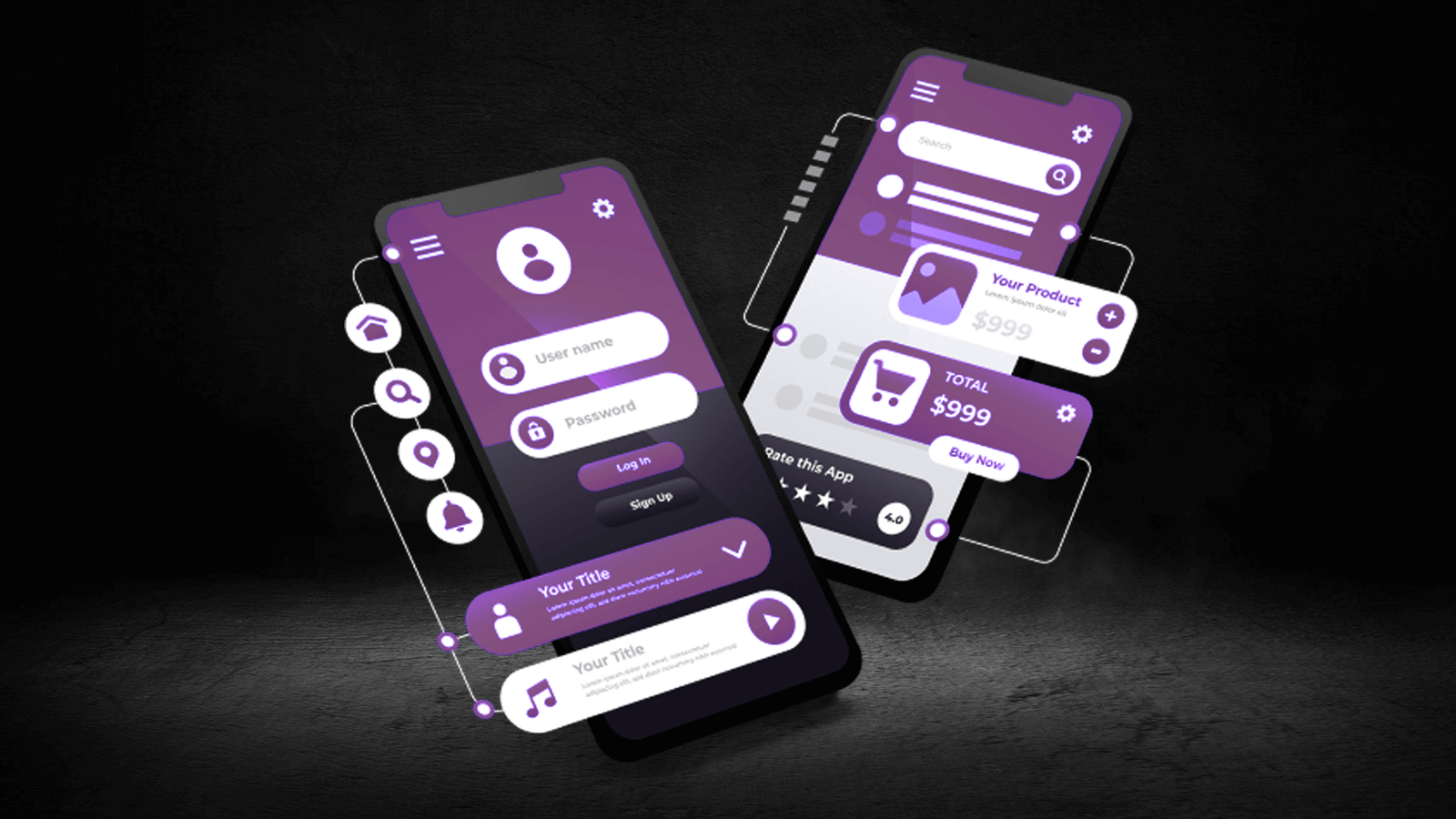
An effective user interface (UI) and user experience (UX) design are paramount in mobile applications, significantly influencing user engagement and satisfaction.
Employing user-centered design principles, developers create intuitive layouts that enhance accessibility and functionality. A clear visual hierarchy guides users through the app seamlessly, allowing them to navigate effortlessly.
Ultimately, a well-crafted UI/UX fosters a sense of freedom, empowering users to interact meaningfully.
Backend Services and Server Interaction
While the user interface captures attention and facilitates interaction, the backbone of any mobile application lies in its backend services and server interaction.
These systems enable seamless API integration, allowing applications to communicate effectively with remote servers.
Through robust server communication, data is transmitted and processed, ensuring that users experience real-time updates and functionality, ultimately enhancing their freedom to interact with the application.
Data Management and Storage Solutions
Effective data management and storage solutions are crucial for the functionality and performance of mobile applications.
Leveraging cloud storage enables seamless access and scalability, allowing users to retrieve data anytime, anywhere.
Coupled with robust database management systems, applications can efficiently organize, query, and secure information.
This synergy fosters user autonomy, providing a fluid experience while ensuring data integrity and operational efficiency.
Conclusion
In summary, mobile applications thrive on a harmonious blend of architecture and design, functionality and aesthetics, backend services and user engagement. They rely on native features for performance while embracing hybrid solutions for versatility. By prioritizing seamless navigation and robust data management, these applications foster intuitive interactions and secure information handling. Ultimately, the success of mobile applications lies in their ability to integrate these elements, creating a cohesive experience that captivates users and elevates their digital journeys.