Ethical Issues in Artificial Intelligence
The ethical issues surrounding artificial intelligence present significant challenges that warrant careful examination. Concerns such as algorithmic bias, accountability in decision-making, and transparency of AI processes highlight the complexities of integrating AI into society. Furthermore, the implications for privacy and individual rights raise critical questions about the technology’s impact on human autonomy. Addressing these dilemmas is essential, yet solutions remain elusive, prompting further inquiry into the future of AI and its societal ramifications.
The Problem of Bias in AI Systems
Although artificial intelligence (AI) systems hold great potential for innovation and efficiency, they are frequently plagued by issues of bias that can lead to significant ethical concerns.
Data representation within training datasets often reflects systemic bias, influencing algorithmic fairness.
The cultural implications of these biases can perpetuate inequality, ultimately impacting societal dynamics and reinforcing stereotypes, thereby undermining the foundational principles of freedom and equity in AI applications.
Accountability and Responsibility in AI Decision-Making
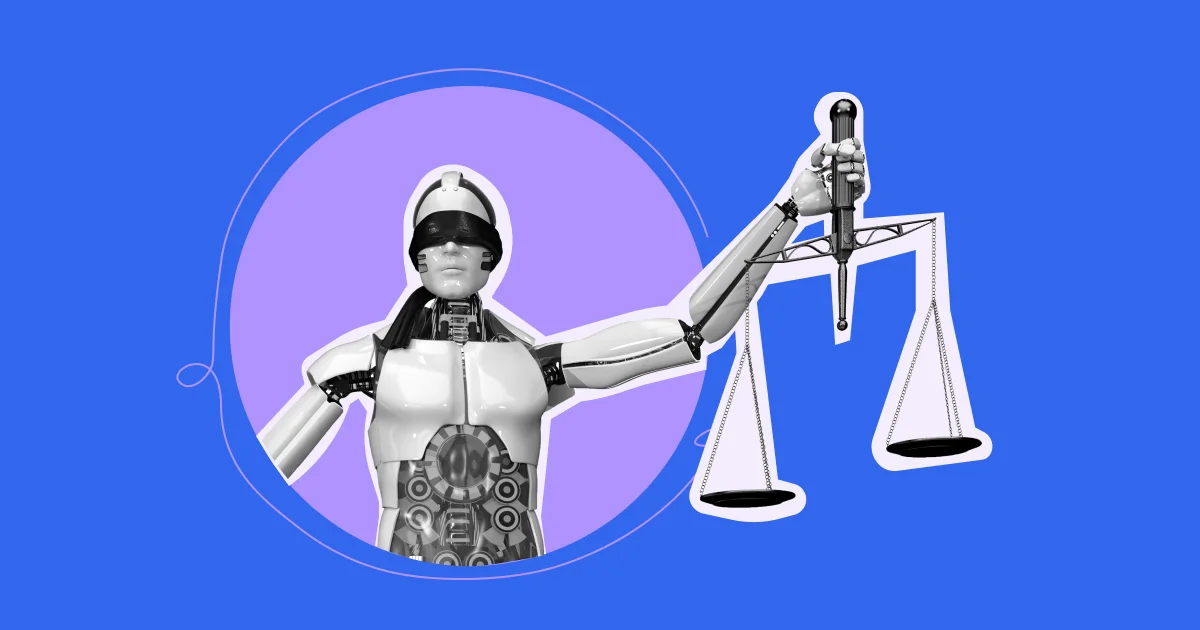
How can accountability be effectively established in the sphere of artificial intelligence decision-making?
Robust liability frameworks are essential to define responsibilities among developers, users, and organizations.
Integrating human oversight into AI systems ensures that ethical considerations remain at the forefront.
This collaborative approach fosters trust and mitigates risks, allowing for a clearer understanding of accountability in an increasingly automated landscape.
Transparency and Explainability of AI Algorithms
What factors contribute to the transparency and explainability of AI algorithms?
Key elements include algorithmic transparency, which allows users to understand how decisions are made, and interpretability frameworks that facilitate clearer insights into model behavior.
These components are crucial for fostering trust and accountability, empowering users to challenge and verify AI-driven outcomes, ultimately supporting an environment that values informed decision-making.
The Impact of AI on Privacy and Individual Rights
The increasing reliance on artificial intelligence raises significant concerns regarding privacy and individual rights.
Data surveillance practices often operate without explicit consent mechanisms, undermining personal autonomy. As AI systems collect and analyze vast amounts of personal information, individuals may find their rights compromised.
The challenge lies in establishing robust frameworks that protect privacy while allowing technological advancement, ensuring ethical standards are maintained.
Conclusion
In the intricate tapestry of artificial intelligence, ethical issues emerge as dark threads that threaten to unravel the fabric of fairness and justice. Bias festers like a hidden stain, accountability remains a distant echo, and transparency often cloaks itself in shadows. As AI continues to weave itself into the very essence of human life, it is imperative that stakeholders illuminate these ethical dilemmas, ensuring that the light of integrity guides the evolution of technology, safeguarding individual rights and societal values.