AI Vs Human Intelligence
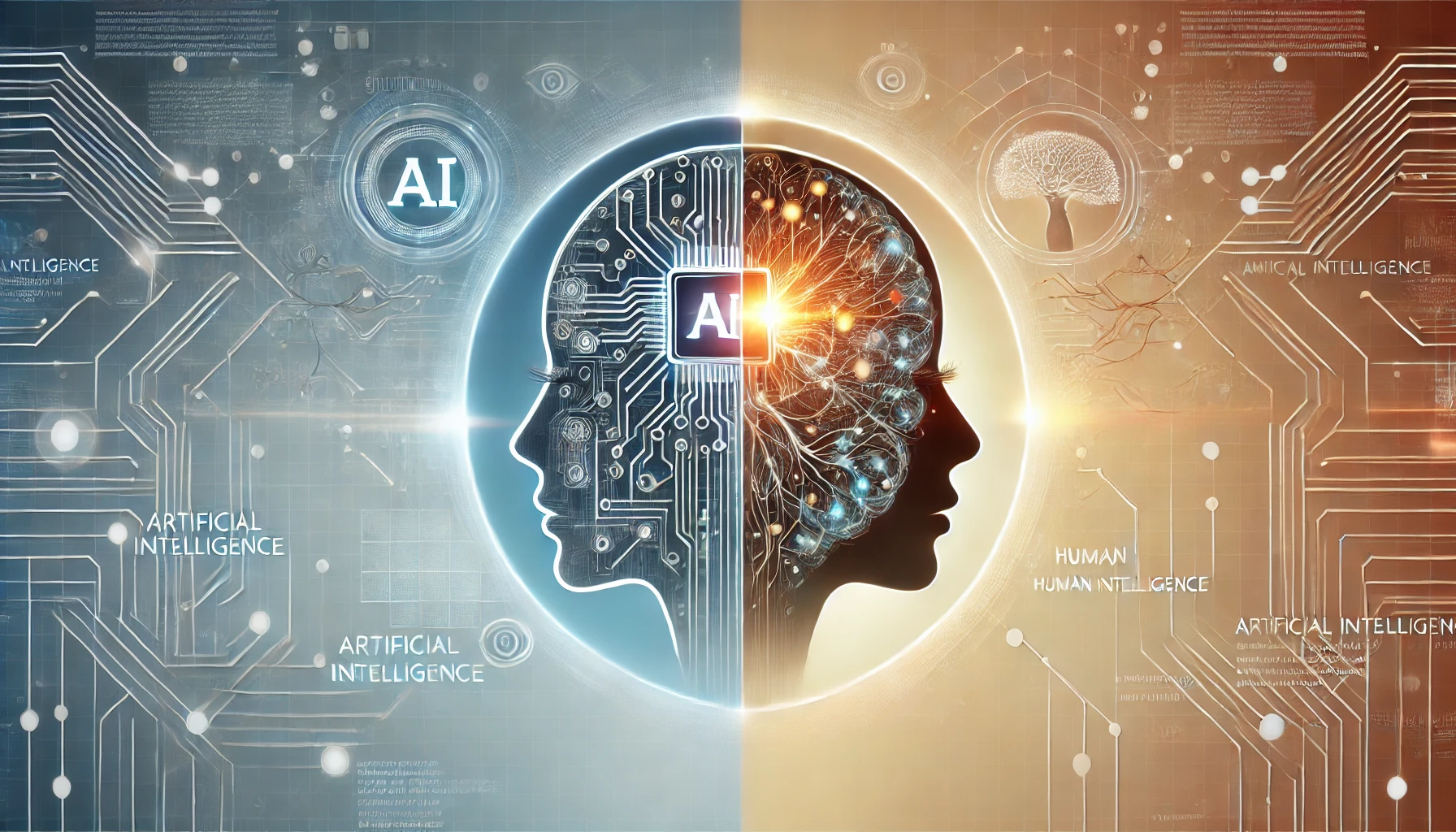
The debate between AI and human intelligence is increasingly relevant in today’s technology-driven world. AI demonstrates superior capabilities in data analysis and task automation. Conversely, human intelligence is characterized by emotional depth, creativity, and ethical judgment. This contrast sets the stage for a complex relationship, where each can enhance the other’s strengths. Understanding this dynamic is essential as society progresses into an era where collaboration between these two forms of intelligence could redefine problem-solving methodologies.
The Capabilities of Artificial Intelligence
Artificial Intelligence (AI) encompasses a range of capabilities that extend beyond mere data processing.
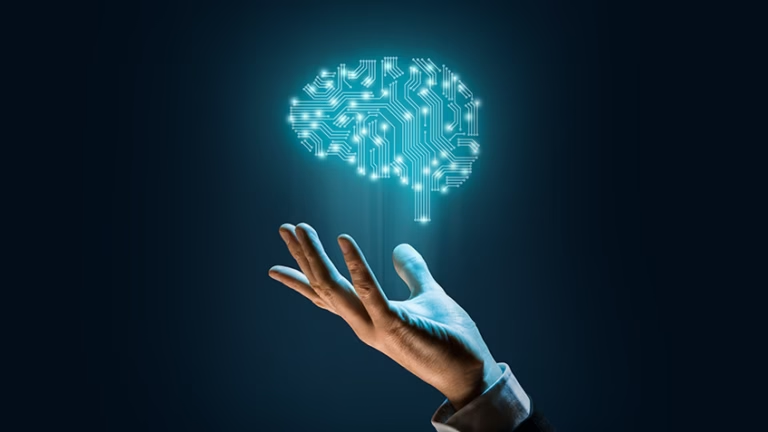
Machine learning algorithms enable systems to learn from data, adapting over time to improve accuracy.
Cognitive computing further enhances AI’s potential by simulating human thought processes, allowing for complex problem-solving and decision-making.
These advancements position AI as a transformative force, fostering innovation and efficiency in various applications, promoting individual autonomy and freedom.
See also: Ethical Issues in Artificial Intelligence
The Uniqueness of Human Intelligence
Cognition, a hallmark of human intelligence, encompasses not only the ability to process information but also the capacity for emotional understanding, creativity, and ethical reasoning.
Distinct from artificial constructs, human intelligence integrates social intuition and creative thinking, enabling individuals to navigate complex interpersonal dynamics and moral dilemmas.
This multifaceted nature distinguishes human intelligence, offering depth and nuance that artificial systems currently cannot replicate.
The Interplay Between AI and Human Intelligence
The relationship between AI and human intelligence is characterized by a complex interplay that shapes both technological advancement and human experience.
This interaction facilitates cognitive enhancement, augmenting decision-making processes while raising significant ethical considerations.
Moreover, AI’s integration into daily life challenges the boundaries of emotional intelligence, prompting individuals to reassess their responses and adapt to a landscape where human and machine capabilities increasingly converge.
Future Implications of AI and Human Collaboration
As technology continues to evolve, the implications of AI and human collaboration are poised to reshape multiple industries and societal functions.
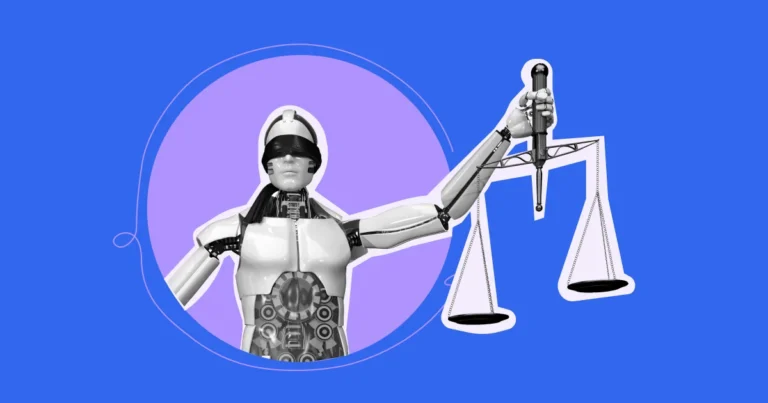
Ethical considerations surrounding data privacy and algorithmic bias must be addressed to ensure equitable outcomes.
Collaborative advancements can enhance productivity and innovation, fostering a synergy that empowers individuals while maintaining autonomy.
Ultimately, a framework prioritizing ethical standards will be crucial for sustainable progress.
Conclusion
In the evolving landscape of cognition, AI and human intelligence function as complementary instruments in a symphony of innovation. While AI can process vast datasets with precision, human intelligence imbues creativity and ethical reasoning, ensuring that decisions resonate with empathy. As these two realms converge, the potential for enhanced problem-solving emerges, akin to a well-tuned orchestra harmonizing diverse instruments. However, it remains imperative to navigate this collaboration thoughtfully, safeguarding human values and autonomy amid technological advancements.